What a buyer looks at in your shop
| Tool makers | Ages, years with you, and who can build a progressive die start to finish without you on the floor. |
|---|---|
| Quote pipeline | Open quotes, win rate, and the backlog of tools already awarded with dates and payment terms. |
| Customer programs | Which automakers and tier suppliers you build for, and whether work comes direct or through a bigger supplier. |
| Machines | Age, condition and maintenance records for wire EDM, CNC mills, grinders and the tryout press. |
| Tooling ownership | Which tools belong to customers and sit in your shop, so nobody counts them as company assets. |
The People Problem Buyers Worry About
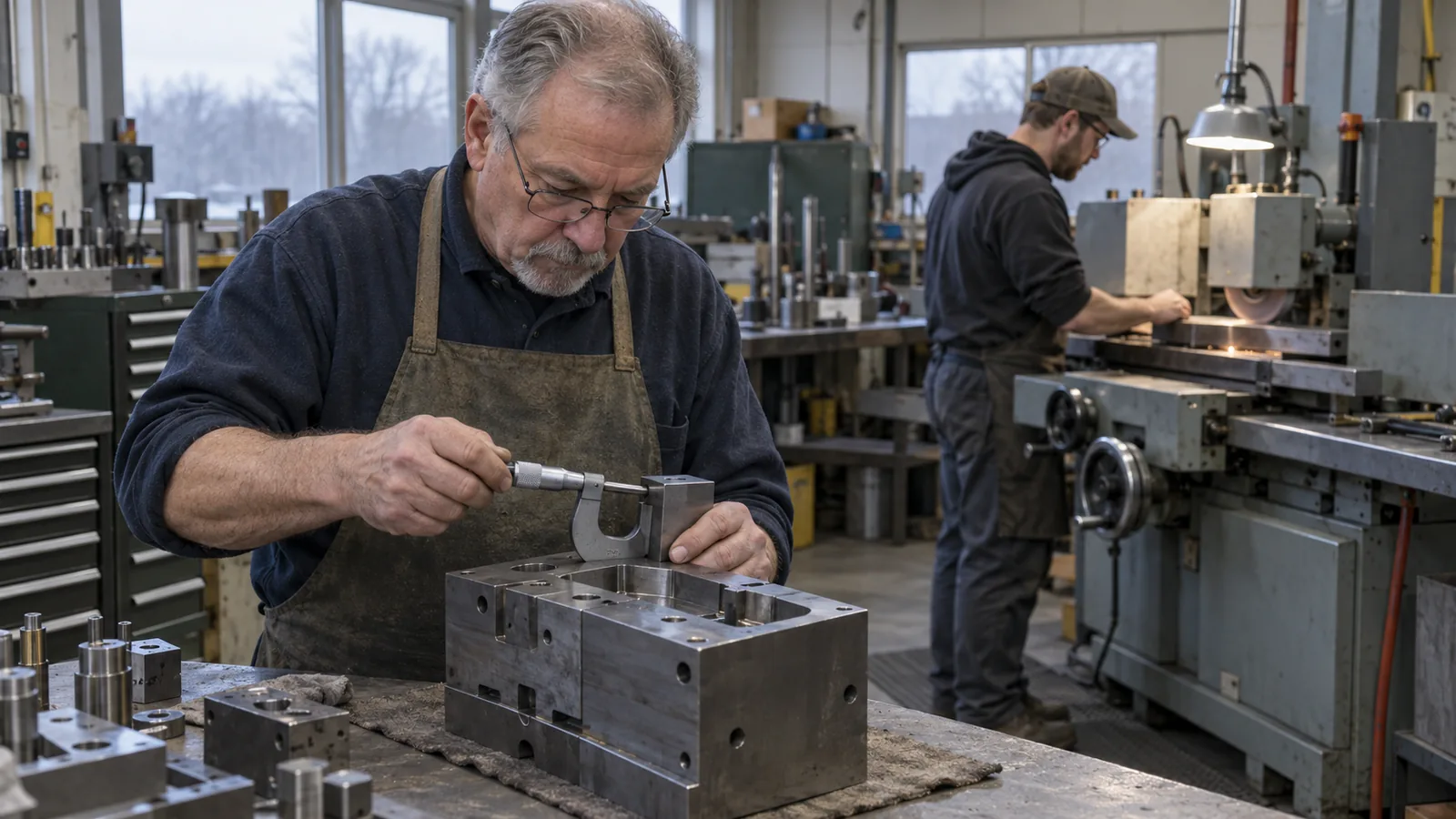
Every buyer of a die shop asks the same thing: who builds the tools? Skilled tool makers are hard to replace, and many shops around Detroit lean on a few people in their fifties and sixties.
A shop with apprentices coming up, written procedures and a designer who isn't the owner sells for more. If you are the best tool maker in the building, plan on a longer transition or a lower price.
How Payment Terms Shape Value
Tooling programs often pay in stages, with a large share held until the tool is approved. That ties up cash and makes earnings jumpy from quarter to quarter.
Buyers look at several years together to smooth that out. Show them the stage payments on open jobs, and be ready to agree how money earned before closing but paid after is split.
- Deposits taken on tools not yet built
- Final payments owed on tools already shipped
- Any tools on hold because a program slipped
Concentration Is Common Here
Many shops do most of their work for two or three customers. Buyers know that, but still discount for it.
If one customer is more than about 15 to 20 percent of sales, expect questions about how long that has lasted and what happens if a program moves.
A good answer shows a mix of automotive, appliance, medical or defense work, or a long list of smaller tier suppliers who keep coming back.
Machines and the Building
A buyer or lender will want an equipment list with values. Older machines that still hold tolerance are fine. Deferred maintenance shows up fast in a walkthrough.
If you own the building, the buyer may rent it from you instead of buying it. Know what a market rent would be, because buyers value the business at that rent.
Setting the Price
Most shops of this size sell as asset sales priced on owner cash flow, often around two to three times it. Clean books and a team that runs without you push toward the top. Read what buyers check in due diligence to see what they will ask for.
Equipment sold with the business is usually not hit with Michigan sales tax as a one time sale, but confirm with your CPA. Our guide to sales tax on business assets explains why.
Want to know what your shop could bring? Send the short form or call (313) 555-0152. Other trades are on our what we sell page.